Hidden in plain sight between AI behaviour and human behaviour
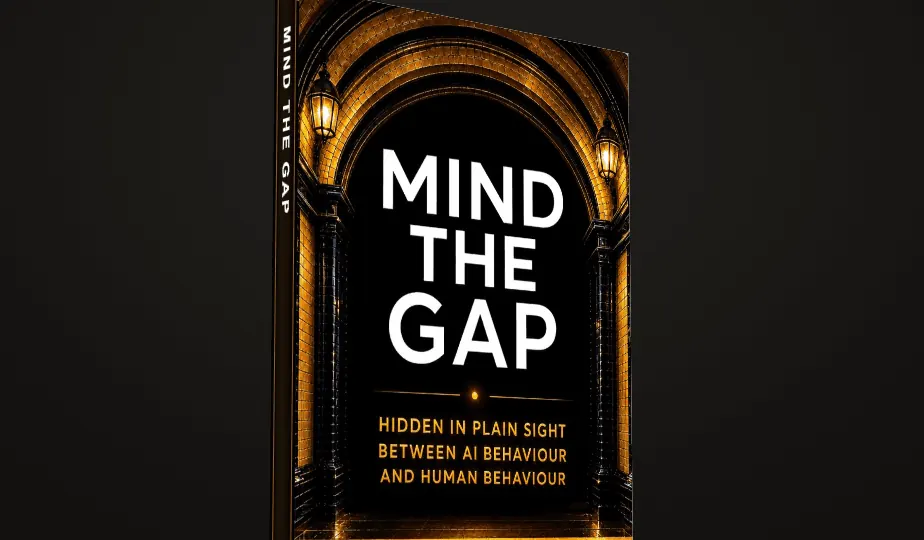
Mind the Gap — published 1 July 2026
The book
At 7.14pm on 10 May 2026 I opened my Claude AI on my iPhone and ended up in a conversation about writing a book.
Thirty-six hours later there was a 27,000-word, 12-chapter first draft. By 9 June, thirty days after that first conversation, the fifteen-chapter manuscript was complete. By 1 July it was on Amazon: 241 pages, 59,865 words.
I’ve spent the better part of forty years studying human behaviour, asking why people do what they do, and what gets in the way of them doing it differently.
Since the end of 2022 I’ve been watching AI, asking the same of it.
This book answers both of those questions — then maps the gap between them.
The gap between AI behaviour and human behaviour.
It’s hidden in plain sight, and once you see it, you can’t unsee it.
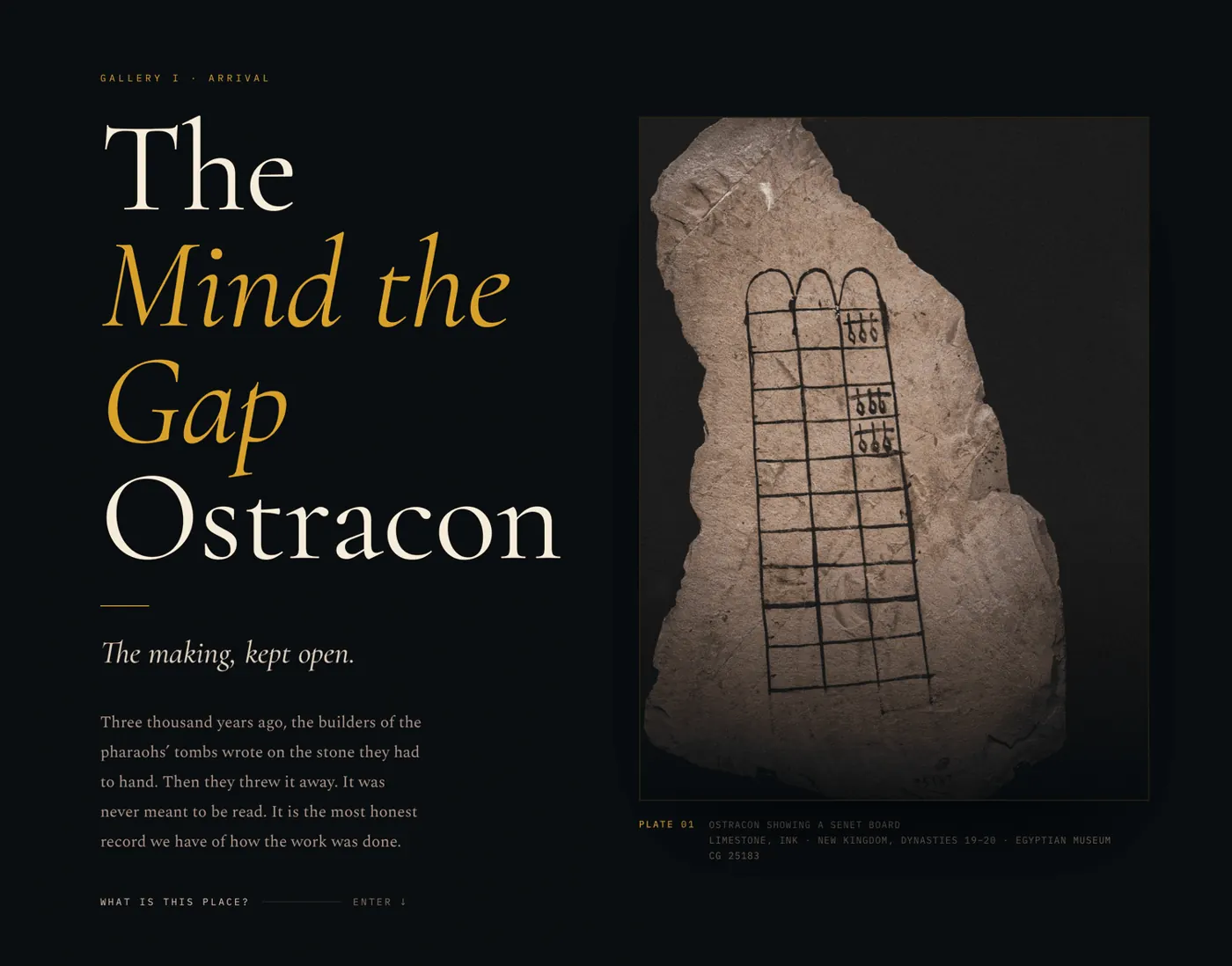
The Making of Mind the Gap
The making of Mind the Gap
I trained as a craft engineer, converting 2D drawings into machined components. Thereafter I spent years as an SAP implementation consultant, then as project manager on huge, serious, and expensive global ERP projects. After that it was a corporate role at Tarmac, a true institution, then senior leadership roles in operations and sales.
One rule survived every one of those rooms: if it isn’t written down, it didn’t happen.
So when I wrote this book with a workforce of 18 named AI workers — 8 writers, 4 editors, 4 finishers, 2 producers — I ran it by that same rule. Everything thought, written or discussed was documented. 404 documents: 86 manuscript drafts; the rest journals, decision moments, internal assessments — including Rubies, the AI workers’ own self-reflective performance reviews.
Beneath it all, the chat logs themselves, each forensically retained. Over 3.79 million words, curated into a single artefact.
We are at the bow-and-arrow stage of AI. The Ostracon is the record of the work, kept open — a moment in time on the journey between human and AI collaboration, captured while it happened.
Mind the Gap companion
Mind the Gap — Chapter Extracts
What each chapter of Mind the Gap does, one chapter at a time.
Read the chaptersMind the Gap companion
The Vault
Where Mind the Gap started: the first conversations, timestamped.
Open the Vault