Is What I’m Feeling After Someone Dies Normal?
If you’re asking this, there’s a good chance it’s late.
Or quiet.
Or you’ve just had one of those moments where it all rushed back in.
You might be feeling:
Shock, even months later
Waves of sadness that come from nowhere
Anger at them for leaving
Anger at doctors
Anger at yourself
Guilt about something you said — or didn’t say
Numbness
Relief (which feels shameful)
Jealousy of people who still have what you’ve lost
Fear that you’re forgetting their voice
Fear that you’ll never feel joy again
And somewhere inside that swirl is the question:
“Is this normal?”
The short answer is yes.
But that word can feel too small for what you’re carrying.
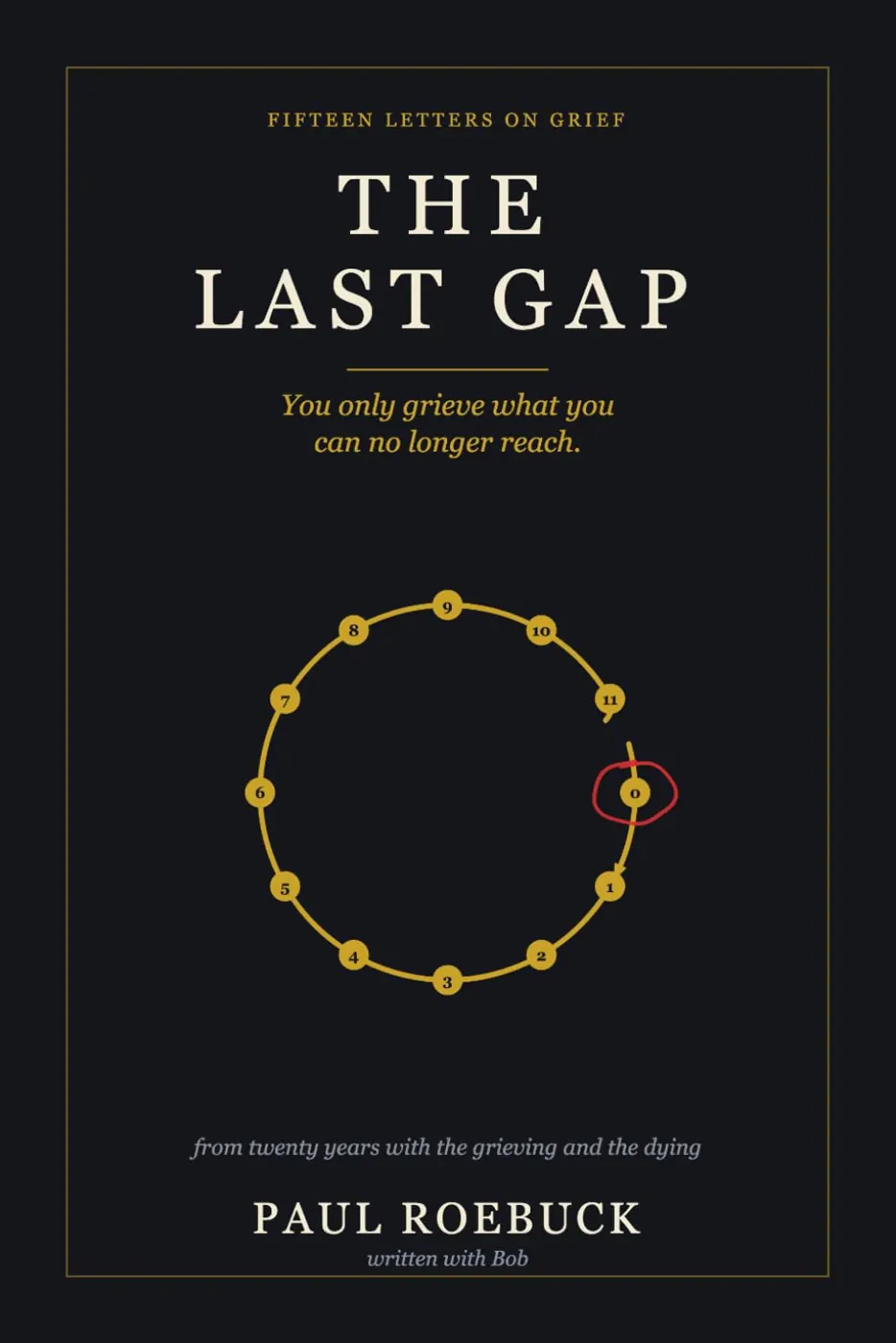
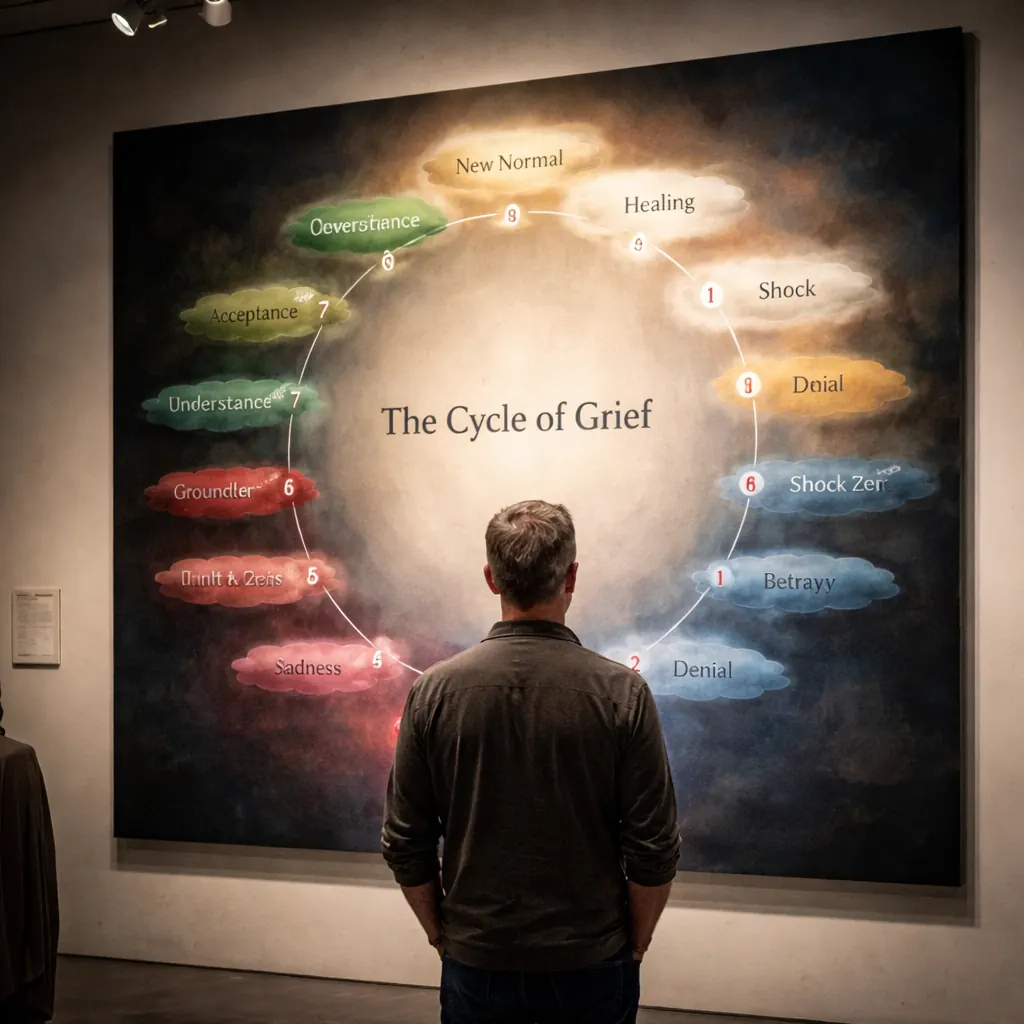
Grief Is Not a Straight Line
One of the most unsettling parts of grief is that it doesn’t move neatly.
You don’t steadily improve.
You don’t wake up one morning “fixed.”
Grief moves in waves.
It circles.
It revisits.
It regresses.
You can feel strong one day and undone the next.
That doesn’t mean you’re going backwards.
It means you’re human.
Why It Feels So Disorientating
When someone important dies, it isn’t just their absence you feel.
It’s the shift in who you are.
You were:
Someone’s partner
Someone’s daughter or son
Someone’s protector
Someone’s person
When they die, your identity shifts too.
Part of grief is adjusting to the question:
“Who am I now?”
That adjustment doesn’t happen in a week.
It doesn’t happen in a straight line.
The Feelings That Worry People Most
There are certain emotions people don’t talk about openly.
Let’s name a few.
Guilt
“I should have done more.”
“I should have called.”
“I should have known.”
Guilt is common in grief. It’s the mind trying to find control in something uncontrollable.
Anger
At them.
At God.
At doctors.
At yourself.
Anger doesn’t mean you didn’t love them.
It often means the bond mattered deeply.
Numbness
Feeling nothing can feel frightening.
You may wonder if you’re cold or broken.
You’re not.
Sometimes numbness is the nervous system protecting you from overload.
Why It Feels Worse at Night
When the world goes quiet, distraction fades.
During the day, you can function.
At night, there’s space.
And in that space, grief can feel louder.
That doesn’t mean it’s getting worse.
It means there’s less noise around it.
Does Grief Ever End?
Grief doesn’t end like a fever breaking.
It changes.
Over time, the sharp edges soften.
The intensity becomes less constant.
The love remains.
The pain integrates.
You don’t “get over” someone you loved.
You learn how to carry them differently.
If It’s 2am Right Now
You don’t need to solve your future tonight.
You don’t need to know when it will end.
You don’t need to make sense of every feeling.
You only need to get through this hour.
Breathe slowly.
Remind yourself:
This is grief.
This is human.
This is not madness.
This will move.
You are not broken.
If you want to understand more about how grief moves and why it can feel like it circles rather than progresses, you can read more here:
But for now, if you’re just trying to steady yourself:
What you’re feeling is normal.
And you’re not alone in it.
If you are thinking about ending your life, call Samaritans free, any time, on 116 123.