Essays on why people do what they do, and a few detours into science.
Start here
The one question I’ve asked for forty years
The one question behind every post here: why do people do what they do, and what gets in the way of them doing it differently?
Relationship Breakdown: What About the Kids?
If you're a parent contemplating separation, or you initiated it recently, or in the distant past, I’m sure the question “If we break up, what about…
The Johari Window: finding our hidden strengths
Want to learn more about yourself? Find out more insights and areas for growth? Here’s an established tool, and how to use it, to help individuals…
Russian Doll: Inner Child Therapy (with audio)
The first time I heard the term “Inner Child Therapy” it conjured up dark sultry images of a disfigured abused child. That was in 2006. Little did I…
Not Good Enough, or Never My Fault?
There are two types of people. Not by personality, not by diagnosis — but by what happens inside them when things go wrong. I’ve spent forty years…
Grief
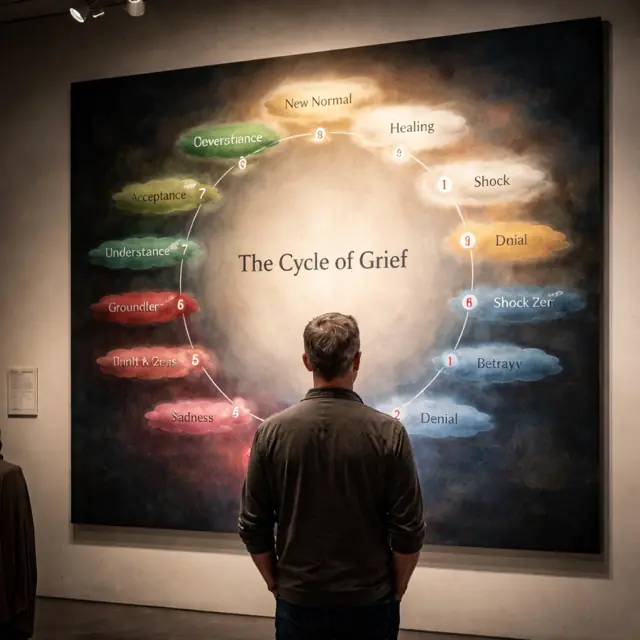
Where Am I in My Grief?
You feel lost, numb, angry, or strangely calm — sometimes all in the same day. Where are you in your grief, and is this normal?
Loss: the grieving curve reimagined for a modern society
Grief extends beyond death to every kind of loss — and it moves as a cycle, not a line.

Guest Blog: Death, Dying, Life and Living
I met Dave several years ago through business. We were both living the high life. A few years ago, like most of us, Dave tripped off the pavement of life. I spoke to him today after hearing his dad had died. How surprised I was when we chatted, and he said he had written a blog. I read it and felt compelled to post it.
Photography

Behaviour and relationships
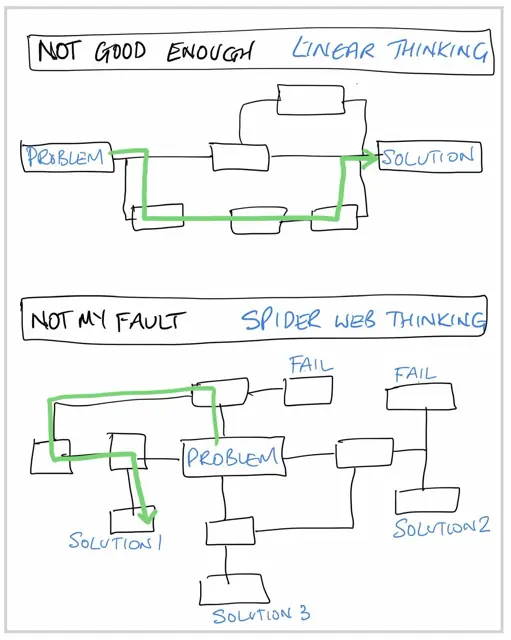
Not Good Enough, or Fear of Failure?
Are you a Not Good Enough (NGE) or a Fear of Failure (FOF) person? After several thousand hours working with several hundred individuals as a counsellor and coach I’ve concluded each of us fit into one of these behavioural states. This article examines the characteristics of both, and how our Emotional Intelligence can be enriched with this knowledge.
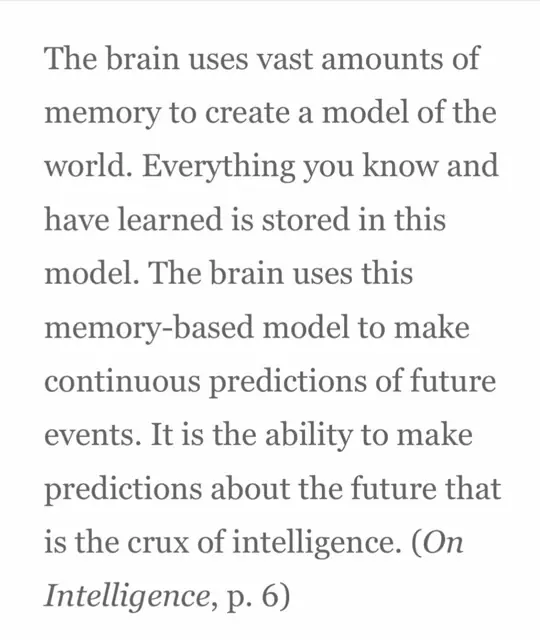
How does your life affect your life?
The word Life has many meanings. It describes the journey from birth to death, and encompasses all our experiences, which form our memories. What precisely do we do with those memories?
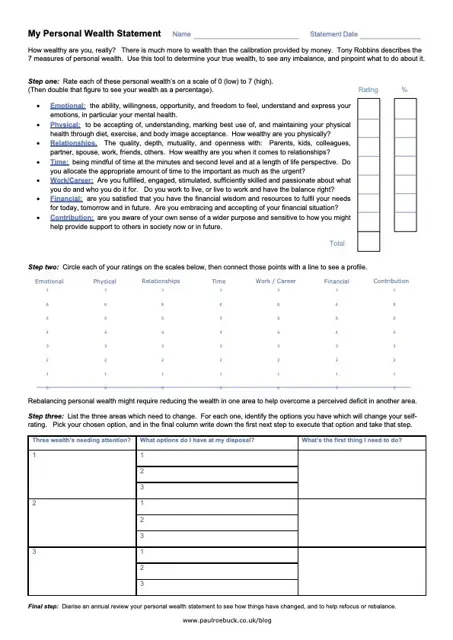
Personal wealth: you may be richer than you think
Use this personal wealth calculator to help you realise your true value.
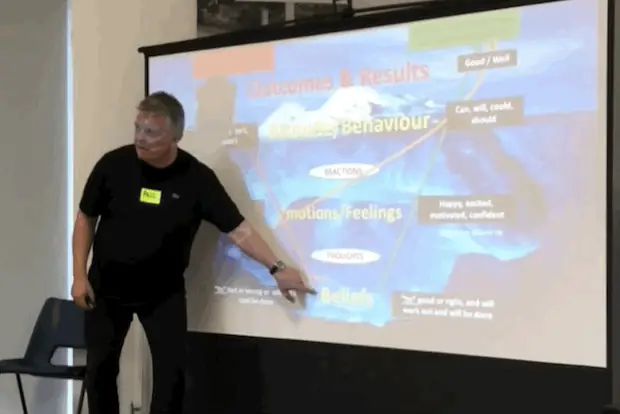
Behaviour: You'd better believe this
Our behaviour (how we act and react) largely determines the kind of outcomes we get. If an athlete trains well (a behaviour) then they will likely run faster for example. How we behave (act and react) is determined by how we feel. This article examines how our beliefs about something or someone impact our outcomes.
What Does a Behavioural Psychotherapist Do?
Someone recently asked me to describe what I do, which isn’t easy. We should all have a lift pitch: a way of explaining our work to a stranger before they reach their floor.
Video: The 7 Habits of Highly Effective People
The worldwide bestseller by Dr Stephen R Covey is a must-read for anyone wishing to develop their leadership skills, emotional intelligence or further their personal development. At 381 pages it’s a substantial read, so here is a two-minute video which quickly summarises the 7 habits.
Behaviour: Mad as a hatter. You are.
It’s madness. Why is it we can continue to repeat unhelpful, unhealthy, unwanted patterns of behaviour, yet at the first opportunity we drop healthy and seemingly preferred behaviours as quickly as you can say ‘never again’?
Imposter Syndrome: A Fear of Being Found Out?
This is an apt description for people who find themselves in a role that they don’t feel worthy of. They often describe feeling like a fraud and have a fear of being found out, yet these can be extraordinarily competent, talented and successful people, if only they could see what others see.
Behaviour: holding on, or letting go?
I walked out of a successful, well-paid job to pursue my dream. The rope I thought was holding me up wasn’t.
GAD: Drowning in Anxiety?
Anxiety is the most popular search term used by those seeking mental health support. Saying “try not to worry” is our most common response. How else can we help them?

Therapy: Which To Choose and Why (inc. Audio)
An expansive insight into the different types of therapy and how they work. Ideal for those considering meeting a counsellor or considering a career in counselling.
Therapy and the inner child
Counselling room: a key asset for the therapist
The relationship between counsellor and client is vital to therapy — and the room itself plays a bigger part than most people think.
Have neuroscientists found the inner child?
Recent research suggests “a group of cells in the amygdala (the centre of our emotional processing) sometimes don’t grow up”. Is this scientific evidence of the inner child?
How trauma impacts the immune system and cancer
A negative or traumatic event activates the release of cortisol as part of our fight, flight or freeze response. We relive this traumatic event repeatedly both consciously and unconsciously, and the continued drip feeding of cortisol has detrimental impacts on our physical as well as emotional and mental wellbeing.
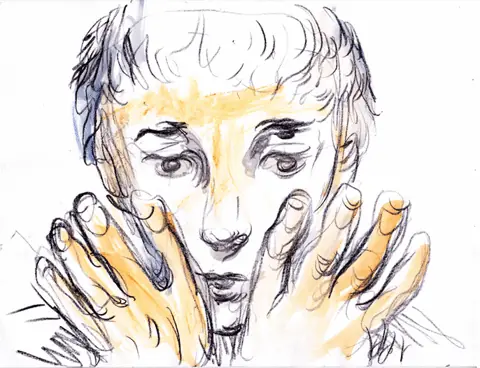
A Wonderful Expression of the Inner Child
I came across this powerful image by Alex Boya, a Canadian film director and expressionist. I felt the image justifies being published in its own right but have taken the opportunity to add a commentary which offers one of many interpretations of the inner child.
Neuroscience: the science behind sadness
Research links long-term memory to feelings of sadness — and that means the reverse is true too.
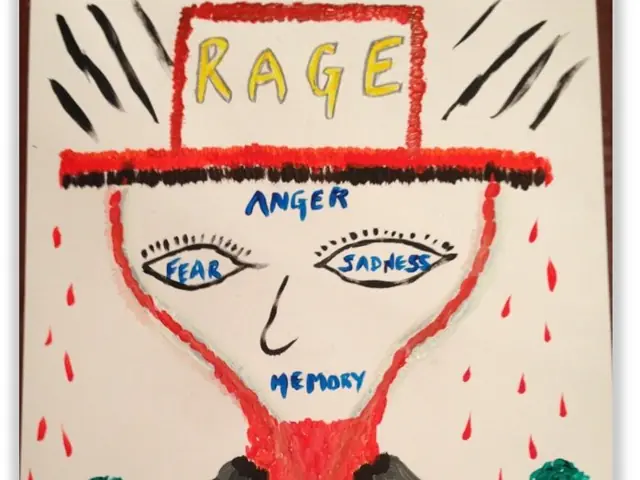
Using Art Therapy to Meet the Inner Child
For many people the very prospect of talking about their inner thoughts and feelings brings dread and fear. One client found expression through art in this powerful self-portrait.
Science, AI and everything else
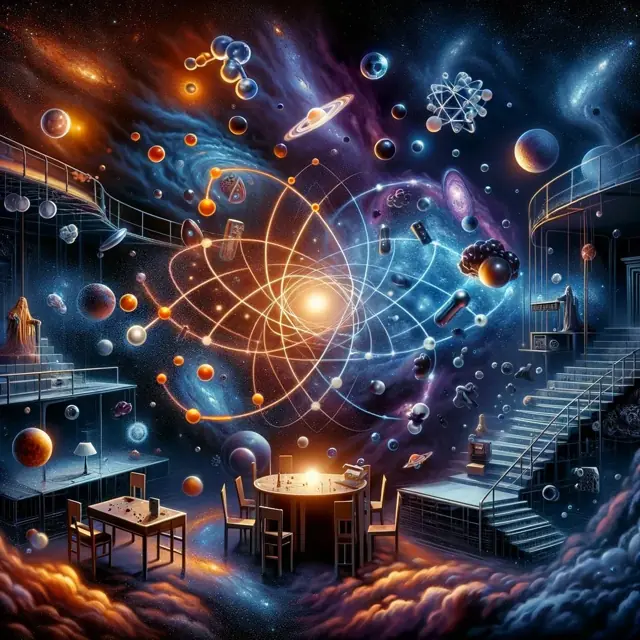
Does Dark Matter Link Quantum and Relativity?
A speculative essay, written with ChatGPT in 2023: what if dark matter were the link between quantum mechanics and relativity?

10 Tips for Building Your ChatGPT Agent
A quick and simple to follow guide on setting up your own ChatGPT agent and a simple examination of prompt engineering.
Evolution: The universe in your lifetime
The universe arrived from a Big Bang 13,800,000,000 (13.8bn) years ago. All the stars, planets, animals, people, and places are made from the resources generated by this moment. The average human life is c.87 years. Here is the timeline of our universe, compressed into a human lifetime.
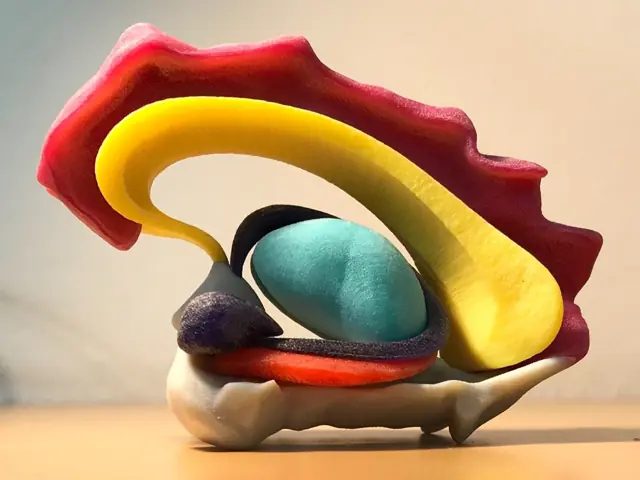
How to 3D-print the limbic system
Anatomical 3D Model Limbic System. Print files location and printing company with details for how to print Limbic System in 3D
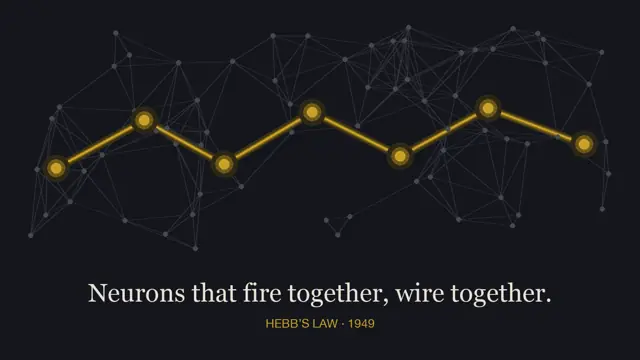
Smiling and Hebb’s Law: neurons that fire together, wire together
Hebb’s Law says neurons that fire together, wire together. Here’s why smiling matters for the pathways of joy, fun and humour.
Want to talk it through? Contact →